
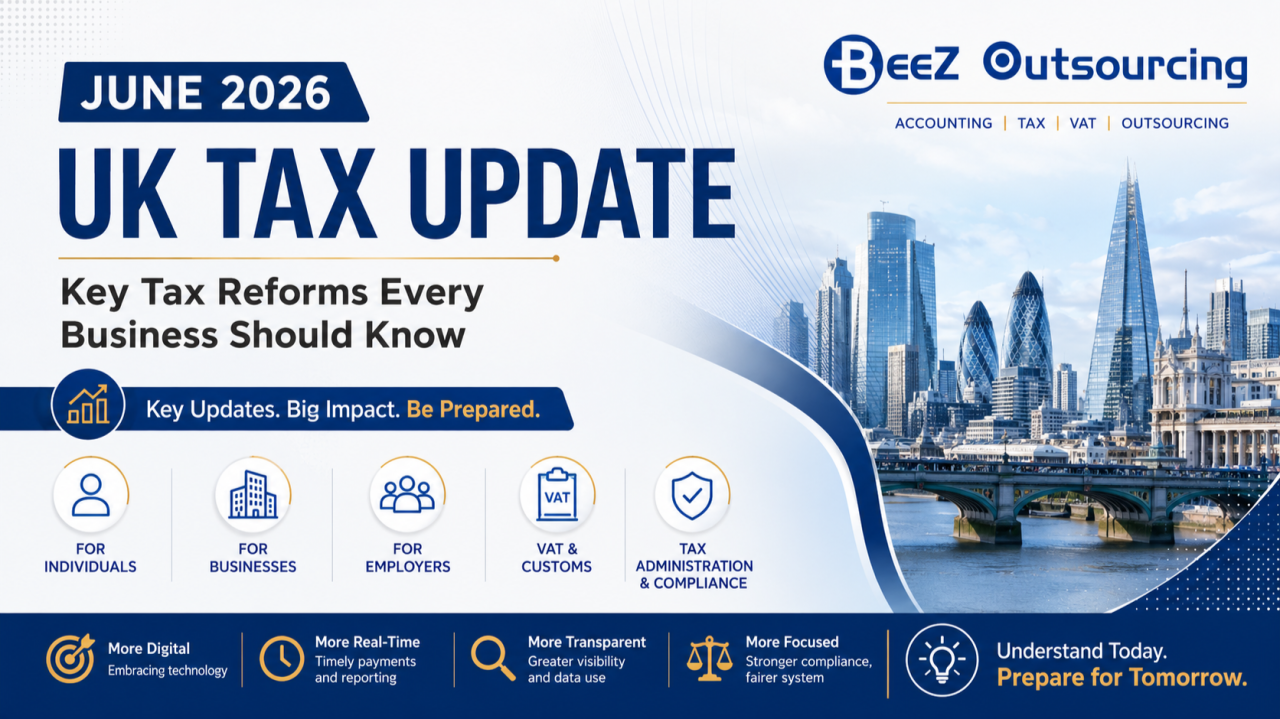
The UK Government’s latest package of tax measures is more than just another policy update—it’s a clear indication of where the tax system is heading: greater digitalisation, earlier tax collection, stronger compliance, and simplified administration.
Here are the developments that deserve your attention:
📌 For Individuals
• Capital Gains Tax gift holdover relief is being modernised. • Inheritance Tax reporting for certain trusts will become simpler. • ISA reforms continue, including anti-circumvention measures and a proposed 22% tax charge on interest held in non-cash ISAs. • A consultation has been launched on making Income Tax Self Assessment payments more timely, with PAYE taxpayers potentially paying estimated liabilities during the tax year from April 2029. • New proposals also cover shareholder distributions, reverse hybrid entities, first-time buyer ISAs, and voluntary NICs.
🏢 For Businesses
• Corporation Tax quarterly instalment payment rules are set to change, ensuring certain tax credits (such as R&D expenditure credits) don’t inadvertently trigger instalment obligations. • Land Remediation Relief reforms continue following stakeholder feedback.
👥 For Employers
Expect reviews of benchmark scale rates, clearer rules for globally mobile directors, and potential changes to PAYE Settlement Agreements.
💼 VAT & Customs
The Government is accelerating customs modernisation while consulting on: ✅ Extending VAT marketplace liability rules. ✅ A zero-rate of VAT for land used in social housing. ✅ Better use of digital VAT data. ✅ Digital customs processes, stronger intermediary standards, and enhanced enforcement.
⚖️ Tax Administration
HMRC’s compliance toolkit is expanding through: • Enhanced powers to tackle tax avoidance. • Greater publication of deliberate defaulters. • Proposed direct recovery of lower-value tax debts. • Mandatory Direct Debit consultations for PAYE and VAT. • New offences for reckless false tax declarations. • Modernised information and inspection powers.
💡 The bigger picture?
The direction of travel is unmistakable: 📲 More digital. ⏱️ More real-time. 🔍 More transparent. ⚖️ More focused on compliance.
While many of these proposals remain under consultation, they provide valuable insight into the future of the UK’s tax landscape. Businesses, advisers, and taxpayers should begin assessing the potential impact now rather than waiting for legislation to take effect.
Which of these proposed reforms do you think will have the greatest impact on taxpayers and businesses?
